Comparing Micro-Ring and Keratin Fusion Methods
Understanding the Application Process
The micro-ring attachment begins with the stylist isolating a small section of natural hair, threading it through a tiny metal or silicone bead, and then placing the extension strand’s looped end into the bead. Using a specialised plier, the bead is clamped to hold the extension and the natural hair together, without any adhesive or heat. Because the bead does not require advanced equipment beyond the pliers, the application is often quieter and produces no fumes or thermal exposure. The absence of heat means that the natural hair cuticle remains undisturbed, which can be beneficial for individuals with sensitised or chemically treated hair.
Keratin fusion, on the other hand, relies on a thermoplastic adhesive. Each extension strand comes with a small keratin-coated tip. During application, the stylist gently heats this tip with a specialised fusion tool until it becomes pliable. The softened keratin is then rolled around a subsection of natural hair and allowed to cool, forming a small, solid bond. This bond is durable and resistant to humidity, yet the heating process requires careful temperature control to avoid damaging the natural hair or causing the bond to slip. The entire application for a full head of extensions can be time-consuming, with fusion often taking longer than micro-ring setups due to the need to heat and cool each bond individually.
Both methods demand precise sectioning and tension adjustment to ensure even distribution and comfort. Micro-rings, however, are easier to adjust or reposition during the initial application because the beads can be opened again without significant difficulty. Keratin bonds, once set, are permanent until they are mechanically removed or softened with a solvent. This difference in reversibility during the fitting stage can influence how a stylist approaches the layout of extensions on a client’s head.
Suitability for Different Hair Types and Textures
Hair texture, thickness, and overall condition play a considerable role in determining which method may be more comfortable or effective. Micro-ring extensions are often considered a good option for fine to medium hair because the beads are relatively lightweight and distribute tension evenly across the root area. The absence of adhesive means that there is no additional material bulk along the extension bond, which can help the attachment points lie flatter against the scalp. However, for very thin or fragile hair, the bead’s clamping pressure must be carefully managed to avoid excessive tension. Stylists may use silicone-lined beads to soften the grip and reduce the risk of slippage or breakage.
Keratin fusion bonds are more substantial in terms of the bond size. Because the keratin tip is moulded around a small section of natural hair, the resulting bond can feel thicker and more noticeable against the scalp. This method is often recommended for medium to thick hair, as the thicker strands of natural hair can better conceal the bond and provide enough gripping surface for the adhesive. Very fine or delicate hair may struggle to support the weight of the bond over time, leading to potential stress at the root. Moreover, the heat involved in fusion can be a concern for hair that is already dry or prone to damage, although experienced stylists can moderate the temperature and duration of heat exposure.
Curly or textured hair can be accommodated by both methods, but the application technique must be adjusted. Micro-rings may be easier to manoeuvre around curls because the bead can be placed at varying distances from the scalp. Keratin fusion requires the bond to be aligned with the natural hair’s direction, and the heat from the fusion tool can temporarily straighten the hair around the bond area, which may affect how the extension blends during styling. For individuals with transitioning or chemically relaxed hair, a thorough assessment of porosity and elasticity is necessary before choosing either method.
Maintenance and Longevity Considerations
Routine maintenance differs markedly between the two techniques. Micro-ring extensions generally require a salon visit every six to eight weeks to have the beads moved up as the natural hair grows. This process involves removing the bead, sliding it closer to the scalp, and reclamping. The extension strands themselves can often be reused several times if cared for properly, as the beads do not damage the weft or tip of the extension hair. In between salon appointments, individuals need to brush gently and avoid wrapping the hair in a way that snags the beads. Products containing heavy oils or silicones should be used sparingly near the attachment points to prevent the beads from slipping.
Keratin fusion extensions typically have a similar lifespan for the bonds, often lasting three to four months before removal and reapplication is necessary. However, the bonds must be removed using a specialised keratin solvent that breaks down the adhesive without harming the natural hair. This removal process is more involved than opening a bead, as the solvent must be applied and left to dissolve the bond gradually. Once removed, the keratin tips are usually trimmed off, and new bonds are attached with fresh keratin. The extension hair itself may be reusable, but the keratin tip is not. Maintenance between appointments requires careful brushing and avoiding oil-based conditioners directly on the bonds, as oil can weaken the adhesive prematurely. Heat styling near the bonds is generally acceptable after the initial 48-hour set period, but direct contact with the bond area should be avoided.
Another aspect of maintenance involves how the extensions behave in different environments. Micro-ring beads are indifferent to heat and humidity, whereas keratin bonds can soften under high temperatures (such as in a sauna or during prolonged sun exposure), potentially causing them to slide. Salons often advise fusion wearers to avoid excessive heat on the bonds and to use lukewarm water when washing the hair. These details may influence an individual’s choice based on their lifestyle and climate.
Removal and Hair Health Impact
The removal process for each method carries distinct implications for the natural hair. Micro-ring extensions are removed by simply opening the bead with the same pliers used for application. The extension strand slides out, and the natural hair is left with no adhesive residue or heat exposure. Because the bead only contacts the hair’s shaft at the point of clamping, the hair underneath typically remains in good condition provided that the beads were not overtightened. Some individuals may notice a slight indentation where the bead sat, but this usually resolves after a few washes.
Keratin fusion removal requires a solvent, as mentioned, which is applied directly to each bond. The softened keratin is then slid down the hair shaft with a tool, and the natural hair is freed. If done correctly, the hair should not be damaged, but the solvent can be drying if used repeatedly over many removal cycles. There is also a risk of pulling or snagging if the bond is not fully dissolved. Stylists often recommend allowing a break between fusion sets to allow the natural hair to recover from any slight stress imposed during application or removal. In contrast, micro-ring wearers may be able to reapply the same beads without the need for a complete rest period, as long as the hair shows no signs of strain.
Overall, both methods are considered safe when applied by a trained professional. The potential for damage is more closely linked to the stylist’s skill and the client’s adherence to aftercare than to the method itself. Individuals with a history of hair breakage or scalp sensitivity may find the non-adhesive, heat-free nature of micro-rings appealing, while those with robust, thick hair may prefer the secure, longer-lasting hold of keratin fusion bonds.
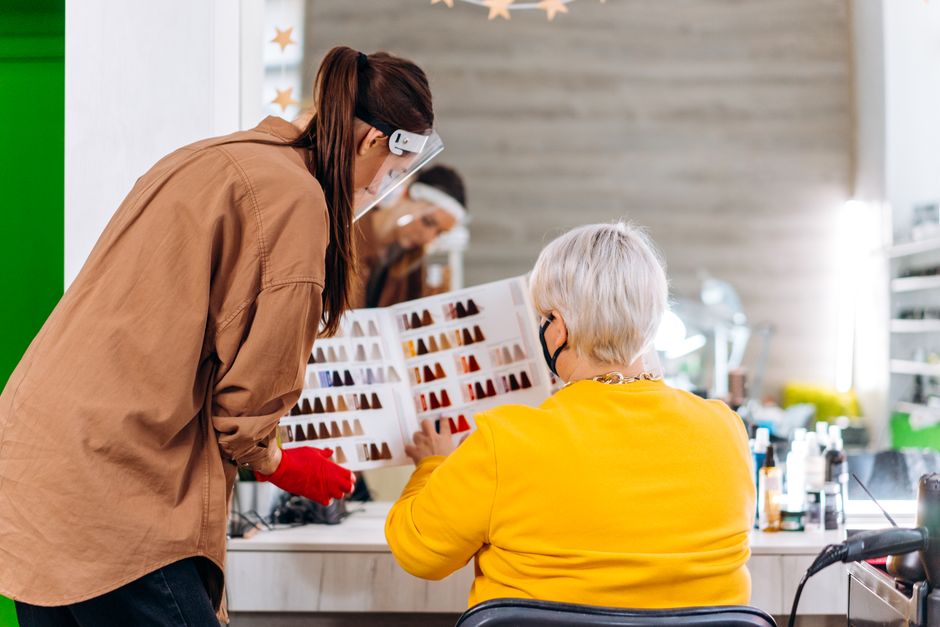
When evaluating these techniques, a consultation with a knowledgeable stylist remains the most reliable way to assess personal suitability. Many salons, including Luxe Locks, offer both micro-ring and keratin fusion services, allowing clients to have a professional evaluation of their hair’s thickness, texture, and condition. During such a consultation, the stylist can demonstrate how each method feels and discuss realistic expectations for maintenance and longevity. The goal is to select a method that aligns with the individual’s hair goals and daily routine without compromising the health of their natural hair. Neither method is inherently superior; rather, each serves a range of preferences and needs within the broader category of semi-permanent hair extensions.