What to Expect During Your Hair Extension Consultation

A hair extension consultation is a structured meeting between a stylist and a client to evaluate whether extensions are a suitable option and to plan the process. This initial appointment is not simply a discussion of styles but a comprehensive evaluation of the client’s natural hair and scalp condition. The stylist gathers information that will guide every subsequent decision, from the type of extension to the application method and long-term care routine.
During the consultation, the stylist focuses on understanding the client’s goals and expectations while also explaining the realistic aspects of wearing extensions. The conversation covers factors such as daily hair care habits, lifestyle, and budget. This two-way exchange helps set clear expectations and ensures that both the client and the stylist are aligned before moving forward. The consultation typically lasts between thirty minutes and one hour, depending on the complexity of the client’s needs.
The stylist’s role is to provide professional insight based on hair science and practical experience. They do not promise a specific outcome but rather outline the possibilities and limitations. By the end of the consultation, the client should have a clear understanding of the recommended approach, the maintenance involved, and the investment required.
Initial Assessment of Hair Density and Scalp Health
The first hands-on step in a consultation is a close examination of the client’s natural hair. The stylist assesses hair density, which refers to the number of individual strands per square inch. This measurement influences the type and weight of extensions that can be applied without causing strain on the existing hair. High-density hair may support heavier extensions, while low-density hair may require lighter options to avoid damage.
Scalp health is equally important. The stylist checks for any signs of sensitivity, dryness, oiliness, or irritation. Conditions such as dandruff, psoriasis, or recent chemical treatments can affect the choice of extension method and adhesives. The stylist may ask about recent hair treatments, medications, or allergies. This information helps determine whether the client is a candidate for certain attachment techniques, such as tape-in or keratin bond extensions.
The stylist also evaluates the strength and elasticity of the hair. Hair that is overly fragile or chemically processed may need time to recover before extensions are applied. This assessment is not a judgment but a precautionary measure to protect the client’s natural hair health. The stylist may recommend a course of conditioning treatments or a wait period if the hair is not in optimal condition.
Color and Texture Matching
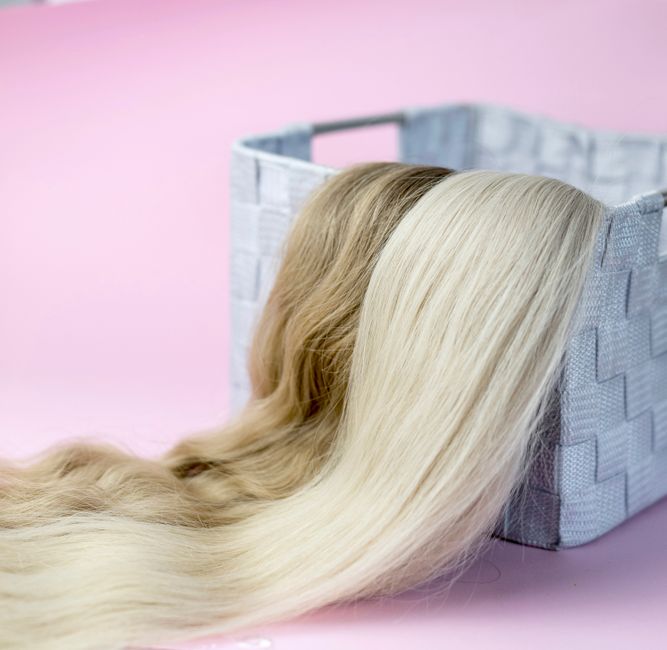
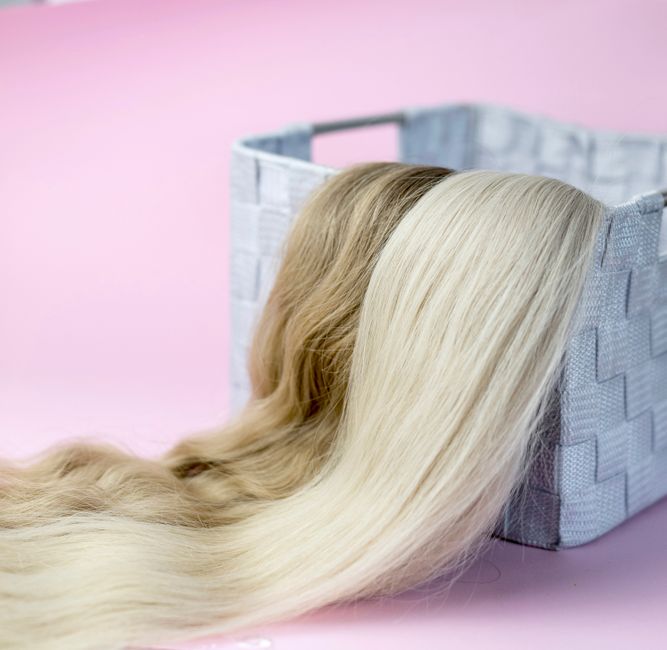
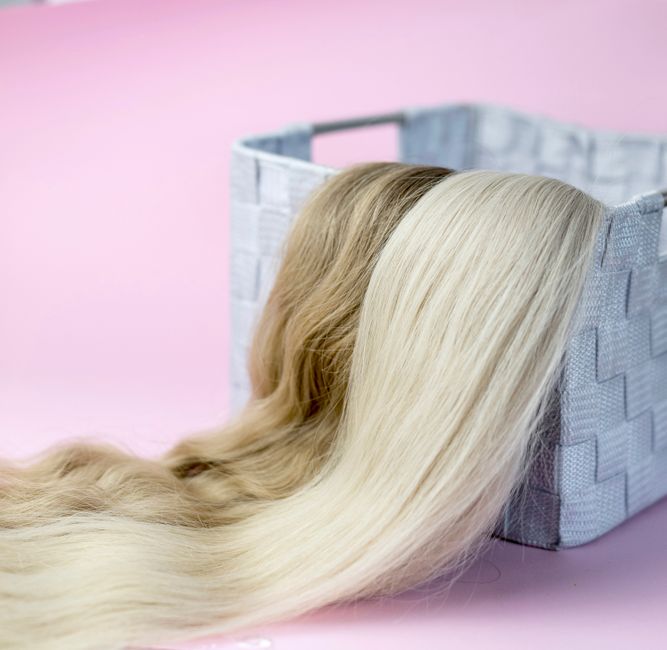
Once the physical condition of the hair is understood, the stylist moves on to matching the extensions to the client’s natural color and texture. This process involves comparing extension swatches to the client’s hair under natural and artificial lighting. The goal is to find a shade that blends seamlessly, considering not only the base color but also highlights, lowlights, and root depth.
Texture matching is equally critical. The stylist examines the client’s natural curl pattern, wave, or straightness. Extensions come in various textures, and selecting one that closely mirrors the client’s hair ensures a natural look. If the client’s hair has multiple textures or has been chemically altered, the stylist may suggest custom blending or heat styling adjustments to achieve cohesion.
The stylist does not promise an invisible match because slight variations are inherent in human hair. Instead, they explain how layering, cutting, and styling can enhance the blend. The client may be shown color ring options or digital simulations. The stylist also discusses how color may fade or shift over time and how to address this with proper care or future color services.
Discussing the Desired Look and Lifestyle
After the technical assessment, the consultation turns to the client’s aesthetic goals and daily life. The stylist asks about the desired length, volume, and overall style. Some clients want subtle length enhancement, while others seek dramatic volume or color accents. The stylist helps translate these ideas into realistic expectations based on the earlier assessment.
Lifestyle factors are also considered. The stylist asks about exercise routines, swimming habits, sleeping positions, and how often the client styles their hair. These factors influence the choice of extension method. For example, active individuals may prefer tape-in or clip-in extensions that are less likely to be affected by sweat or tension, while those with a more sedentary routine might consider permanent bonding methods.
The client’s willingness to commit to maintenance appointments is another important topic. Some extension methods require salon visits every four to six weeks for adjustment, while others may last longer between services. The stylist explains what each method entails in terms of time and effort, allowing the client to make an informed decision. This discussion is not a sales pitch but a realistic overview of the commitment involved.
Understanding Maintenance and Cost Considerations
Cost is a significant part of the consultation conversation. The stylist provides a breakdown of the initial investment for the hair extensions and the application procedure. The price varies depending on the quality of the hair, the method used, and the amount needed to achieve the desired look. The stylist explains that higher-grade Remy or virgin hair typically costs more but may last longer with proper care.
Ongoing maintenance costs are also outlined. Salon visits for adjustments, removal, and reapplication are part of the long-term budget. The stylist describes the typical schedule for maintenance and what each appointment includes. Additionally, the client is informed about recommended home care products, such as sulfate-free shampoos and conditioning treatments, which are additional expenses.
The stylist emphasizes that costs can fluctuate based on individual factors, such as how quickly the natural hair grows or how well the extensions are cared for. No fixed price is guaranteed because each client’s needs are unique. The consultation serves as a transparent disclosure of all potential financial commitments so that the client can plan accordingly. A written estimate may be provided for reference.
Aftercare Planning and Follow-Up
The final part of the consultation covers aftercare. The stylist explains how to wash, dry, and style extensions without causing tangling or slippage. Recommendations include using a soft bristle brush, avoiding heavy oils near the bond sites, and sleeping with hair braided or in a loose ponytail. These practices help maintain the integrity of both the extensions and the natural hair.
The stylist also discusses possible issues that may arise, such as shedding, matting, or discomfort. They explain how to recognize early signs of problems and when to contact the salon for advice. The client is encouraged to ask questions about daily routines, product use, and any activities that might affect the extensions.
A follow-up appointment is typically scheduled a few weeks after the initial application. This allows the stylist to check the condition of the extensions, adjust any tension, and address any concerns. The consultation ends with a clear sense of the next steps. The stylist does not push for an immediate decision but provides the client with the information needed to proceed at their own pace.