How to Choose Between Human Hair and Synthetic Extensions
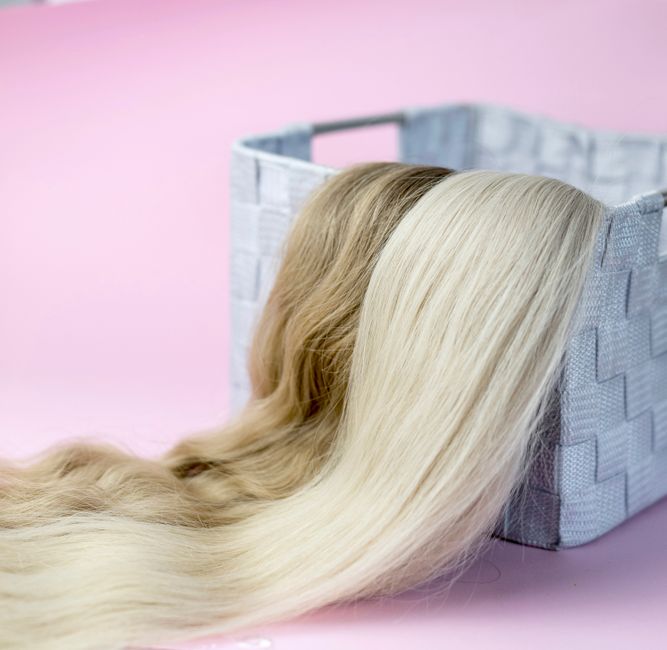
When considering hair extensions, one of the first decisions involves the type of hair material. Human hair and synthetic extensions each have distinct characteristics that influence their performance, appearance, and longevity. This choice often depends on personal preferences, daily routines, and financial considerations. Understanding the fundamental differences between these two options can help in evaluating which approach aligns with individual needs, without assuming that one type is universally superior.
Human hair extensions are made from natural donor hair, which retains the same cuticle structure and texture as natural hair. Synthetic extensions, on the other hand, are manufactured from artificial fibers designed to mimic the look of real hair. Each type brings a different set of properties regarding heat resistance, styling potential, and durability. By comparing these attributes in the context of lifestyle and budget, a more informed selection can be made.
The following sections explore the key aspects of human hair and synthetic extensions, focusing on their material qualities, styling capabilities, and maintenance requirements. The goal is to provide a framework for evaluating options based on personal circumstances rather than to prescribe a specific choice.
Material Composition and Appearance
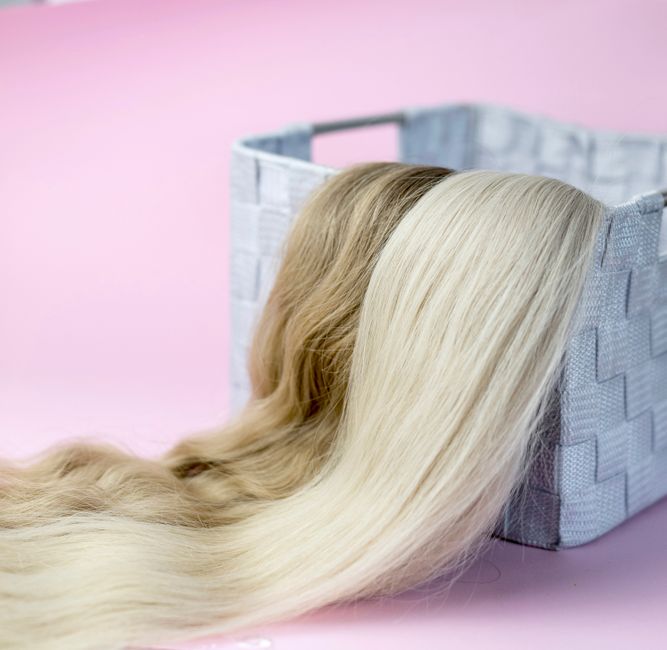
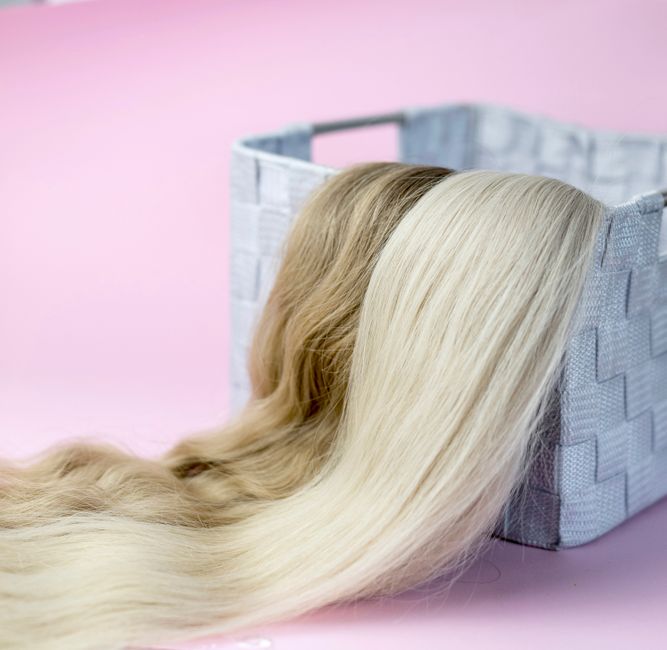
Human hair extensions are sourced from individual donors, and the hair is typically processed to maintain its natural cuticle alignment. This results in a texture that closely mirrors the movement and shine of natural hair. Because the hair is real, it responds to humidity and environmental conditions in the same way that natural hair does. Synthetic extensions are made from materials such as polyester, acrylic, or polyvinyl chloride (PVC) fibers. These fibers are heat-set into styles that retain their shape, but they lack the natural variation of real hair. The appearance of synthetic fibers can sometimes be identified by their uniform texture and artificial shine under certain lighting.
For individuals seeking a seamless blend with their own hair, human hair generally offers a more convincing match in terms of color depth and natural movement. Synthetic extensions can still provide a satisfactory look, particularly when matched carefully to the wearer’s hair color and texture. However, they may not adapt as naturally to different lighting conditions or changes in the wearer’s natural hair texture. The choice between the two often involves assessing how important a completely natural appearance is for the intended use, whether daily wear or occasional events.
Styling Flexibility and Heat Tolerance
One of the most significant differences between human hair and synthetic extensions lies in their ability to be restyled. Human hair can be treated with heat tools such as flat irons, curling wands, and blow dryers. It can be colored, permed, or cut to match the wearer’s haircut. This flexibility allows for changes in hairstyle over time without needing to replace the extensions. Synthetic fibers, however, are generally not heat-resistant. Most synthetic extensions will melt or become damaged if exposed to temperatures above a certain threshold, which varies by brand. Some high-heat synthetic fibers are available that tolerate low heat settings, but they still have limitations compared to human hair.
For individuals who frequently change their hairstyle or use heat styling regularly, human hair provides more versatility. Those who prefer a low-maintenance approach and intend to keep the same style for the lifespan of the extensions might find synthetic options sufficient. The decision here depends on how important styling flexibility is in daily grooming habits. It is also worth noting that human hair requires more time and effort to style, while synthetic extensions come pre-styled and need only minimal adjustments after washing.
Longevity and Maintenance Requirements
The lifespan of hair extensions varies based on material, care routine, and frequency of wear. Human hair extensions, when properly maintained, can last from six months to over a year with consistent care. They require regular washing, conditioning, and gentle handling to prevent tangling and matting. Synthetic extensions typically have a shorter lifespan, often ranging from one to three months, depending on the quality of the fibers and how often they are worn. The maintenance for synthetic extensions is simpler: they need to be washed with specialized products and air-dried away from heat sources. However, they are more prone to tangling and frizz over time, especially if exposed to friction or humidity.
For those who are willing to invest time in a regular care routine and seek a longer-term solution, human hair may be a suitable choice. Conversely, individuals who prefer a lower time commitment or use extensions only for occasional events might lean toward synthetic options, as they require less upkeep between uses. Budget considerations also play a role, as the initial cost of human hair is higher, but its longer lifespan may offset the price per wear. Evaluating these factors in light of personal maintenance habits and frequency of use helps clarify which type aligns with realistic expectations.
Cost Comparison and Budgeting
The price range for hair extensions varies widely based on quality, length, and source. Human hair extensions are generally more expensive than synthetic ones, with premium Remy or virgin human hair commanding higher prices. Synthetic extensions are more affordable upfront, making them accessible for those with limited budgets or for temporary use. However, total cost over time should be considered, as human hair may need to be replaced less often. Additionally, synthetic extensions might require more frequent replacement, which can add up depending on usage.
For example, a set of high-quality human hair extensions from a brand like Luxe Locks can cost several hundred dollars, but with proper care, they can be worn for over a year. Synthetic extensions might cost a fraction of that amount but may only last a few months. The decision therefore involves weighing initial investment against long-term value. Individuals who plan to wear extensions daily or for extended periods may find that the durability of human hair makes it more economical in the long run. Occasional users might prefer the lower upfront cost of synthetic extensions, accepting that they will need to be replaced more frequently.
Lifestyle and Usage Patterns
Daily activities and lifestyle habits also influence the choice between human hair and synthetic extensions. Those who lead an active lifestyle, exercise frequently, or spend time outdoors may benefit from the versatility of human hair, which can be tied back, treated with dry shampoo, and restyled after workouts. Synthetic extensions may be less resilient to sweat, moisture, and physical activity, leading to faster wear and tear. For special occasions, such as weddings or parties, synthetic extensions offer a styled look that requires no additional effort on the day of the event, which can be convenient.
Another lifestyle factor is the frequency of washing and exposure to environmental elements. Human hair can be washed and conditioned like natural hair, allowing for regular cleansing. Synthetic extensions typically require less frequent washing, but when they do need cleaning, the process is more delicate. Individuals with sensitive scalps or allergies to certain fibers should also consider the materials used in synthetic extensions, as some may cause irritation. By examining how extensions will fit into daily routines, including time spent on styling and care, a clearer picture emerges of which type aligns with practical needs.
Making an Informed Decision
Choosing between human hair and synthetic extensions ultimately involves balancing multiple factors, including appearance, styling needs, maintenance commitment, budget, and lifestyle. There is no single correct option; the best choice depends on how these factors interact in an individual’s specific situation. To evaluate effectively, one can list personal priorities and compare them with the characteristics of each type. For instance, if natural movement and heat styling are essential, human hair is often the preferred material. If cost savings and minimal styling effort are primary concerns, synthetic extensions may serve well.
Many stylists observe that clients who invest time in understanding their own hair care habits and expectations tend to be more satisfied with their extension choices, regardless of the material selected.
Consulting with a professional stylist can provide additional perspective, but the final decision remains a personal one. By thoroughly researching the differences and reflecting on how each type fits into daily life, individuals can select extensions that complement their goals without overpromising results. The process of evaluation itself helps set realistic expectations for how the extensions will behave over time.