Styling Your Hair Extensions: Curls, Braids, and Updos
Hair extensions offer a versatile foundation for a wide range of hairstyles, from soft curls to intricate braids and polished updos. The key to enjoying these styles lies in understanding how different techniques interact with the attachment points—whether they are bonds, tapes, wefts, or clips. With thoughtful methods, it is possible to create beautiful looks without compromising the lifespan or appearance of the extensions.
Many individuals choose to style their extensions for special events or daily wear, but the approach differs slightly from styling natural hair alone. Extensions are often more sensitive to heat, tension, and certain products. By focusing on low heat settings, gentle handling, and appropriate product choices, the risk of damage to both the extensions and the natural hair underneath can be reduced. This article explores practical approaches to curling, braiding, and styling updos, with an emphasis on methods that support long-term extension care.
The following sections outline techniques that many stylists and extension wearers find effective. While individual results depend on factors such as extension type, hair texture, and maintenance routines, these general guidelines provide a solid starting point for those looking to expand their styling repertoire.
Curling Hair Extensions with Low Heat
Curling extensions can add volume, movement, and softness to any hairstyle. However, excessive heat can weaken synthetic fibers or damage the bonds of human hair extensions. A common approach is to use a curling iron set to a low or medium temperature, typically between 250°F and 300°F (120°C to 150°C). Many stylists recommend testing the heat on a small, inconspicuous strand first to observe how the extension responds.
When curling, it is important to avoid placing the hot barrel directly against the attachment point. For tape-in or bonded extensions, curling should begin a few inches away from the bond to prevent weakening. Using a heat protectant spray formulated for extensions can provide an additional layer of thermal protection. The spray should be applied evenly to the extensions before curling, and it is advisable to let the product dry briefly before applying heat.
Another technique involves using flexi rods or foam rollers without heat. This method can create soft curls or waves without any thermal exposure. For those who prefer a heat-free approach, setting the extensions with rollers overnight or for several hours can yield long-lasting results. Whether using heat or not, allowing curls to cool completely before brushing or separating them helps maintain their shape.
Braiding Techniques for Extensions
Braids offer a stylish and practical way to wear extensions, but tension levels must be carefully managed to avoid pulling on the natural hair or loosening the attachments. Loose braids are generally recommended for extension wearers, as tight braids can place strain on the roots and cause discomfort or traction alopecia over time. A gentle hand and a relaxed tension throughout the braiding process help preserve the integrity of both the extensions and the natural hair.
When incorporating extensions into braids, it is common to section the hair and braid only the extension hair, leaving the natural roots untouched. This technique is often used in box braids or cornrows that include added hair. Alternatively, for a simple three-strand braid, the extensions can be blended with natural hair by holding all sections together and braiding downward. In either case, the braid should feel comfortable and not pull at the scalp.
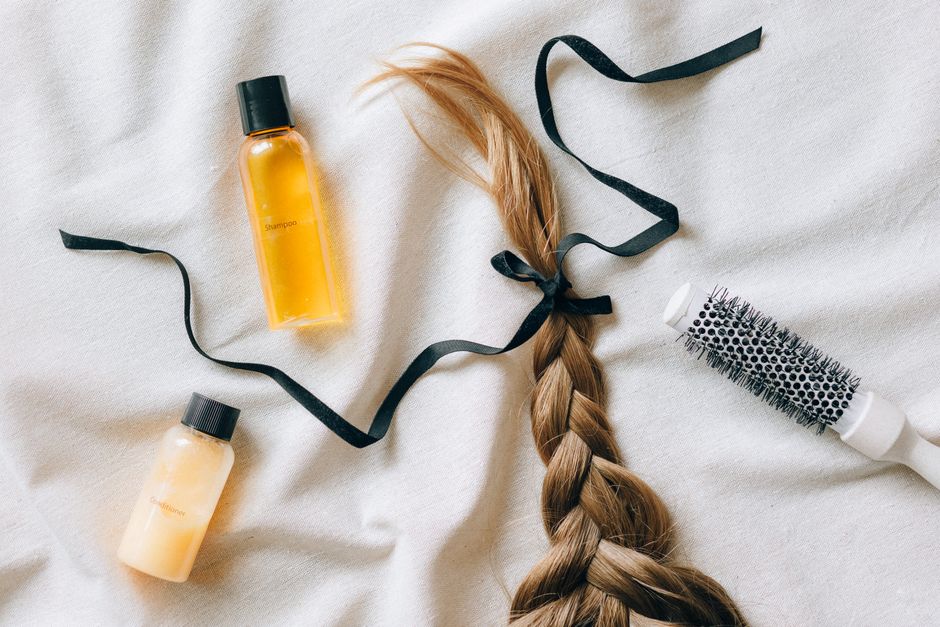
Ending the braid with a soft elastic band rather than a tight knot or metal clip can further reduce stress. For longer-lasting styles, silk or satin scarves or pillowcases are often used at night to minimize friction. Regular moisturizing of the natural hair beneath the braids is also a common practice, though oil-based products should be kept away from the bond areas to prevent slipping. Many extension wearers find that water-based leave-in conditioners work well for this purpose.
Creating Elegant Updos
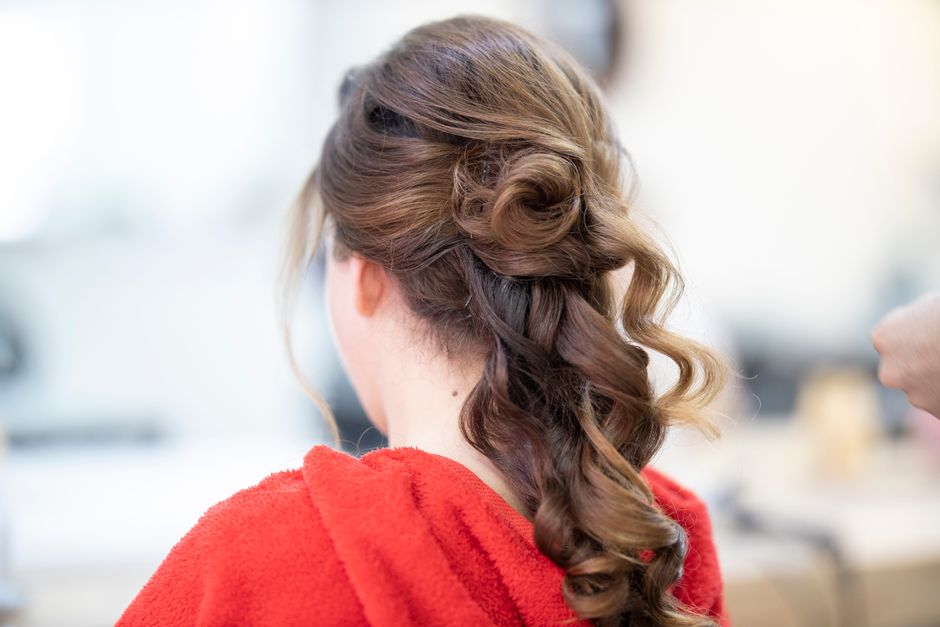
Updos are a classic choice for formal events, weddings, or professional settings. With extensions, updos can become more voluminous and intricate. The key to a secure and comfortable updo is distributing weight evenly and avoiding excessive pulling at the attachment points. Low chignons, twisted buns, and French twists are popular options that work well with most types of extensions.
To create an updo, the hair is typically gathered into a ponytail or a base style before being pinned. For extensions with clips or wefts, it is important to position the base of the updo so that the attachments are concealed and not under direct tension. Using soft, seamless pins and avoiding metal clips with sharp edges can reduce the risk of snagging. Many individuals prefer to work with a stylist who has experience with extension-friendly updos to ensure a polished result.
A common method involves starting with a low ponytail, then twisting or braiding the tail and wrapping it around the base to form a bun. Bobby pins can be inserted at an angle to secure the style without pulling on the extensions directly. Adding a light-hold hairspray designed for extensions can help the updo stay in place without causing stiffness or buildup. For those attending long events, a quick touch-up with a few pins may be all that is needed to maintain the look throughout the day.
Product Choices and Maintenance During Styling
The products used when styling extensions play a significant role in their longevity. Oils, silicones, and heavy creams can cause bonds to loosen or tapes to slip, especially if they are applied near the attachment areas. Many extension manufacturers and stylists advise avoiding oil-based products within an inch of the bonds. Instead, water-based and lightweight formulas are often recommended for daily care and styling.
Heat protectants, as mentioned earlier, are a standard part of the curling process. For braiding and updos, a light mist of a detangling spray or a smoothing serum can help manage flyaways without weighing down the hair. It is also worth noting that dry shampoo can be used sparingly to refresh the roots, but it should be applied to the natural scalp rather than the extension bonds. Regular brushing with a soft-bristle or loop brush designed for extensions can prevent tangles and reduce the need for aggressive detangling during styling.
Overall, the combination of gentle techniques and appropriate products allows for a wide range of styles while supporting the health of both the extensions and the natural hair. Each styling session is an opportunity to experiment with different looks, and over time, wearers often discover which approaches work best for their specific extension type and personal preferences.