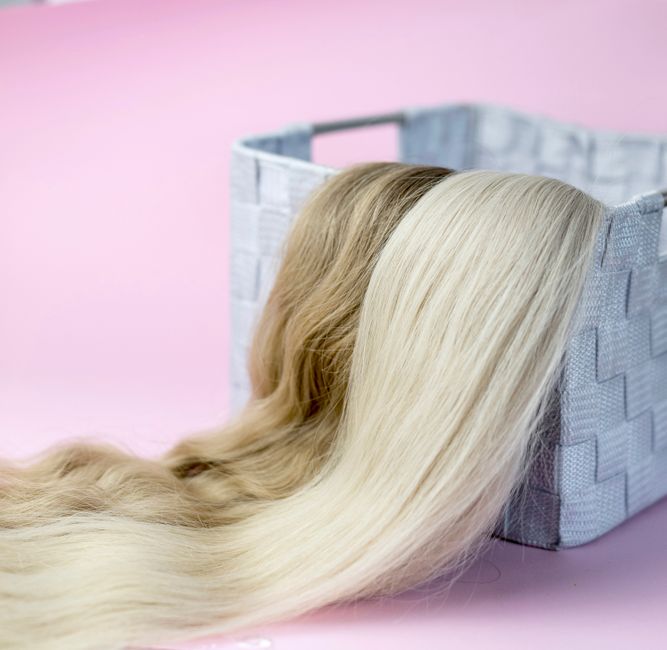
Essential Aftercare Routine for Long-Lasting Extensions
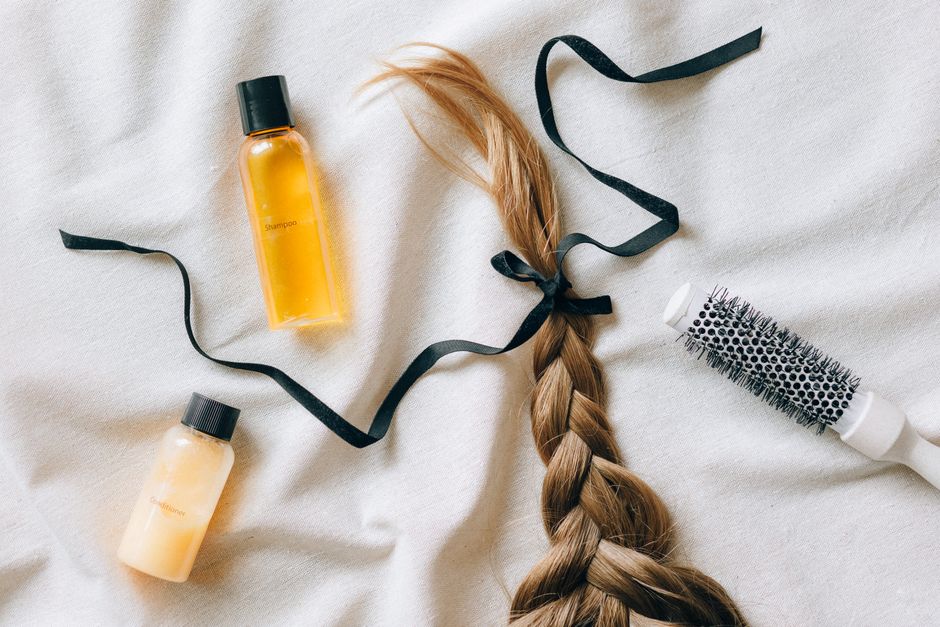
Once hair extensions are applied, the way they are cared for can significantly influence how long they remain in good condition. While many factors such as application method, hair type, and lifestyle play a role, a consistent aftercare routine helps maintain the integrity of both the extensions and the natural hair beneath. The goal of an aftercare routine is not to guarantee perfect results, but rather to create conditions that support the longevity of the extension bonds and the overall appearance of the hair.
Understanding the specific needs of extensions is the first step toward an effective maintenance plan. Unlike natural hair, extensions lack the natural oils produced by the scalp and are often more susceptible to dryness, tangling, and shedding. A routine that addresses these vulnerabilities through gentle handling, appropriate products, and mindful practices can make a noticeable difference over time. The following sections explore key aspects of an aftercare routine that many individuals find helpful when aiming for long-lasting extensions.
Daily Brushing Techniques and Tools
Brushing is one of the most important daily actions for extensions, yet it is also one where mistakes are common. The type of brush used matters greatly. A loop brush, designed with flexible bristles that have rounded loops at the ends, is often recommended because it glides through the hair without catching or pulling at the attachment points. Standard brushes with ball-tipped bristles can snag on bonds or wefts, leading to unnecessary stress and potential loosening.
The brushing technique itself also plays a part in minimizing tangling. Starting from the ends and working upward in gentle sections reduces the risk of pulling on the bonds. Holding the hair near the roots while brushing provides additional stability. Brushing two to three times per day, especially before sleeping and after swimming or exercise, helps prevent small tangles from turning into mats. When tangles do occur, using a detangling spray designed for extensions can provide slip without causing damage.
Selecting and Applying Sulfate-Free Products
Shampoos and conditioners formulated without sulfates are commonly suggested for extension care. Sulfates are surfactants that create a rich lather but can also strip natural moisture from both natural hair and extension fibers. Over time, this drying effect may weaken the bonds and contribute to increased shedding or slippage. Sulfate-free products, on the other hand, offer a milder cleansing experience that respects the moisture balance of the hair.
When washing, it is not just the product choice that counts but also the method. Applying shampoo primarily to the scalp and allowing the suds to rinse through the lengths gently is a technique that reduces friction on the extensions. Conditioners should be applied from mid-length to ends, avoiding the roots and bonds wherever possible. Leave-in conditioners or lightweight oils can be added sparingly to keep the hair supple without causing buildup near the attachments.
Washing and Drying Practices That Protect Extensions
The frequency of washing extensions can vary based on activity level and hair type, but many stylists suggest waiting at least 48 hours after application before the first wash. During washing, direct rubbing or scrubbing of the extensions should be avoided. Instead, a gentle downward motion with the palms or fingers helps cleanse without tangling. Rinsing thoroughly to remove all product residue is equally important, as leftover buildup can weigh down the hair and attract debris.
Drying is a critical moment because wet hair is more fragile and prone to tangling. Sleeping on wet hair is a habit that often leads to matting and unnecessary strain on the bonds. It is preferable to gently squeeze out excess water with a microfiber towel and allow the hair to air dry whenever possible. If a blow dryer is used, a low heat setting and a diffuser can help distribute air evenly. Keeping the hair partially dry before bed and using a loose braid or ponytail can reduce the risk of overnight tangles.
Sleeping and Styling Routines for Longevity
Nighttime habits can have a significant influence on how extensions hold up over weeks. Sleeping with loose, untamed hair increases the chance of friction against pillowcases, which can cause both tangling and frizz. A common approach is to gather the hair into a low, loose ponytail or braid before sleeping. Using a silk or satin pillowcase further reduces friction compared to cotton fabrics. These small adjustments create a more controlled environment for the extensions while the body rest.
When styling, heat tools should be used with caution. High temperatures can damage extension fibers, especially if they are synthetic or have a lower heat tolerance than natural hair. A heat protectant spray formulated for extensions can provide a layer of defense. Similarly, avoiding tight hairstyles that pull on the roots or bonds helps prevent tension-related shedding. Regularly checking the condition of the bonds and scheduling professional maintenance appointments, as recommended by brands such as Luxe Locks, allows any issues to be addressed before they worsen.
Common Mistakes and How to Avoid Them
Even with good intentions, certain practices can inadvertently reduce the lifespan of extensions. One frequent mistake is over-washing, which strips natural oils and dries out the hair. Another is neglecting to brush the hair before washing, leading to tangles that tighten during the wet process. Using heavy serums or oils near the bonds can cause slippage over time. Additionally, exposing extensions to chlorine or salt water without rinsing immediately can accelerate wear.
Being mindful of these pitfalls is not about achieving perfection, but about making informed choices that align with the hair’s needs. Consulting with a professional stylist before making changes to the routine can provide guidance tailored to the specific type of extensions being worn. A well-rounded aftercare routine, built around gentle handling, appropriate products, and consistent habits, supports the natural process of shedding and regeneration without forcing outcomes.